
In real-world port operations, the service life of a marine fender system is not determined only by its design, but also by how it is installed, operated, and maintained over time. Whether it is pneumatic fenders, foam filled fenders, or other rubber fender systems, maintenance practices play a critical role in long-term performance.
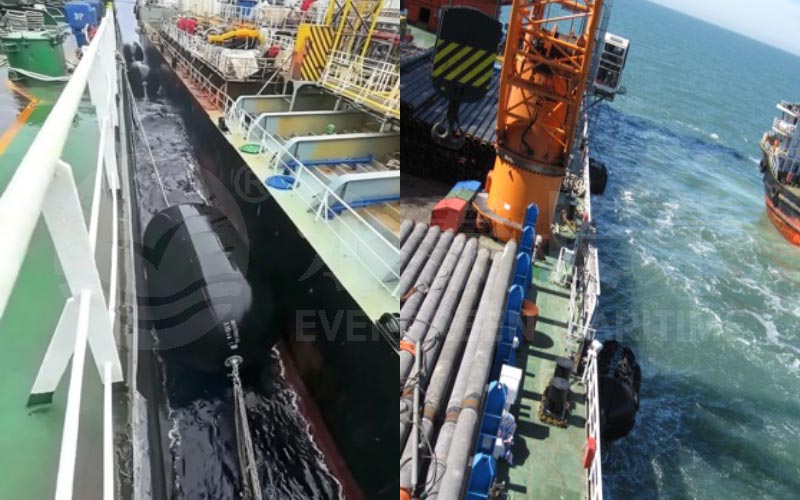
For Floating Pneumatic Rubber Fenders one of the most important routine checks is internal pressure monitoring. In practical use, even small pressure deviations can influence energy absorption performance and reaction force behavior. Regular inspection helps ensure that the fender operates within its designed parameters, especially in high-frequency berthing terminals.
Surface condition is another factor that often affects durability. Exposure to UV, saltwater, and mechanical abrasion gradually impacts the outer rubber layer of pneumatic rubber fenders. In many port environments, protective nets or additional coatings are used to extend operational lifes pan.
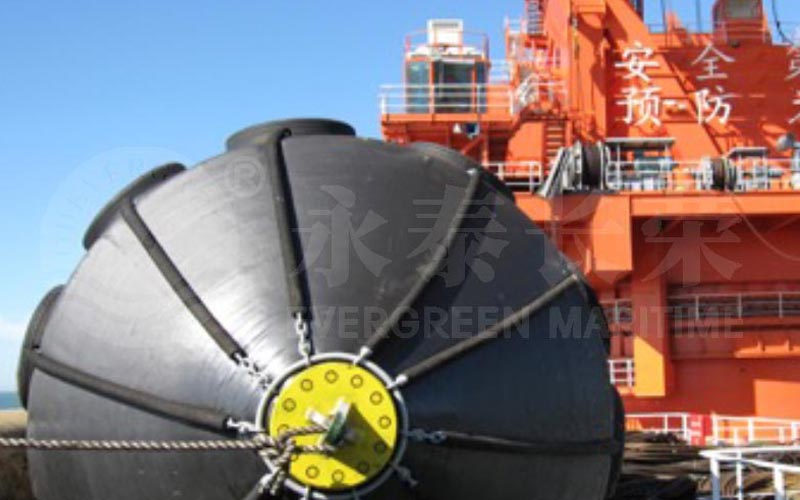
In contrast, Foam Filled Fenders require less routine maintenance because they do not rely on internal air systems. Their closed-cell foam structure allows them to maintain buoyancy and cushioning performance even after prolonged service.
However, regular inspection of the outer protective skin is still necessary to ensure long-term reliability, especially in environments with high abrasion or continuous vessel contact.
Across different marine fender systems, proper installation is equally important as maintenance.