
When purchasing marine fenders, buyers may sometimes receive several quotations for what appears to be the same product.
The dimensions look similar.
The working pressure looks similar.
The basic specifications seem almost identical.
But the prices can be surprisingly different.
So, what causes the difference?
In many cases, the answer is not simply the supplier’s profit margin. The actual cost of a marine fenders is affected by materials, reinforcement, manufacturing methods, testing, documentation, and after-sales support.
In other words, the specification sheet does not always tell the whole story.
1. The Rubber Compound Matters
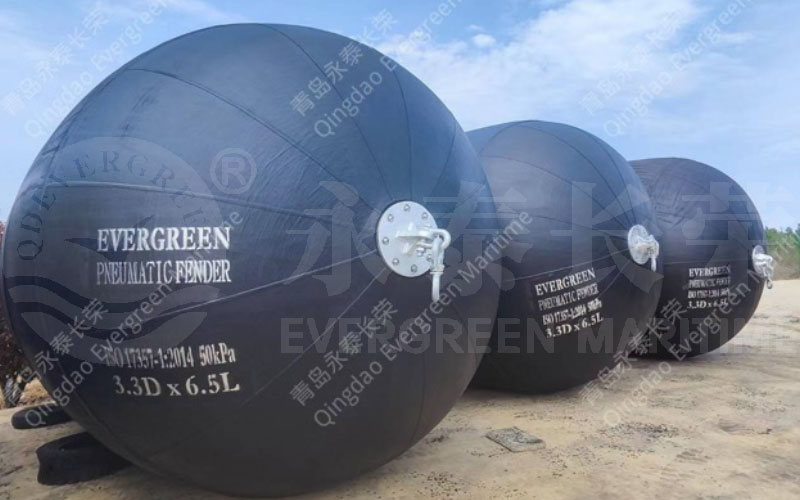
Rubber is one of the most important materials in a pneumatic rubber fender.
Different rubber compounds can have very different costs and physical properties. Some manufacturers may use different proportions of natural rubber, synthetic materials, or recycled rubber to control production costs.
This difference may not be obvious from the finished appearance of the fender.
However, rubber quality can influence elasticity, aging resistance, weather resistance, and long-term durability. For buyers, it is therefore worth asking what type of rubber compound is being used instead of comparing only the external dimensions.
2. Reinforcement Fabric Is Not Always the Same
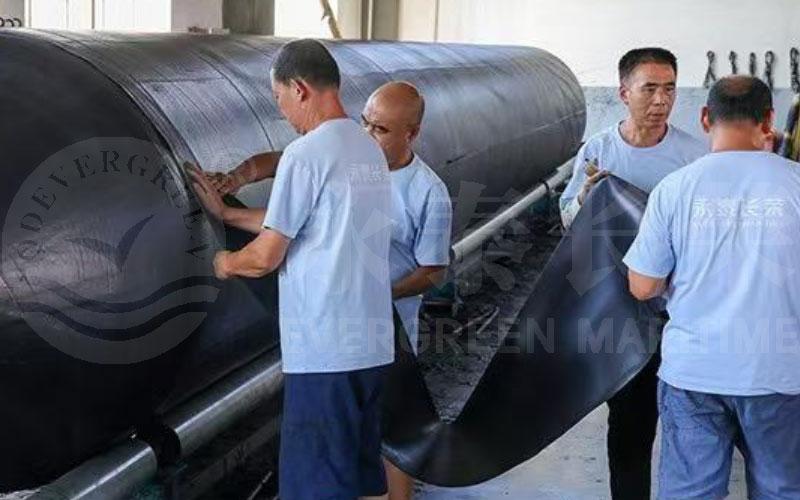
Inside a floating pneumatic rubber fender, the reinforcement layers are responsible for maintaining the structural strength of the product.
Different reinforcement materials can have different levels of strength, elasticity, bonding performance, and fatigue resistance.
Two fenders may look almost identical from the outside while having different internal reinforcement structures.
This is one reason why simply comparing the appearance or basic dimensions may not provide a complete picture of the product.
3. The Number of Reinforcement Layers Can Affect Cost
The number and arrangement of reinforcement layers are also important.
Manufacturers need to balance pressure resistance, flexibility, durability, and the requirements of the specific application.
Reducing reinforcement materials may lower production costs, but it can also change the structural characteristics of the fender.
For this reason, when comparing quotations, buyers should check whether the reinforcement configuration is actually the same rather than assuming that two products with the same dimensions have the same internal construction.
4. Manufacturing Process Makes a Difference
The manufacturing process is another factor that is easy to overlook.
A marine fender is not simply a rubber product that is shaped and finished.
Rubber preparation, fabric reinforcement, winding or wrapping, joint treatment, vulcanization, dimensional control, and final inspection all require production equipment and experienced workers.
Different manufacturing methods can result in differences in consistency, appearance, structural strength, and production efficiency.
These differences may not be visible in a quotation, but they are part of the manufacturing cost. 5. Testing Is Part of the Product
5. Testing Is Part of the Product
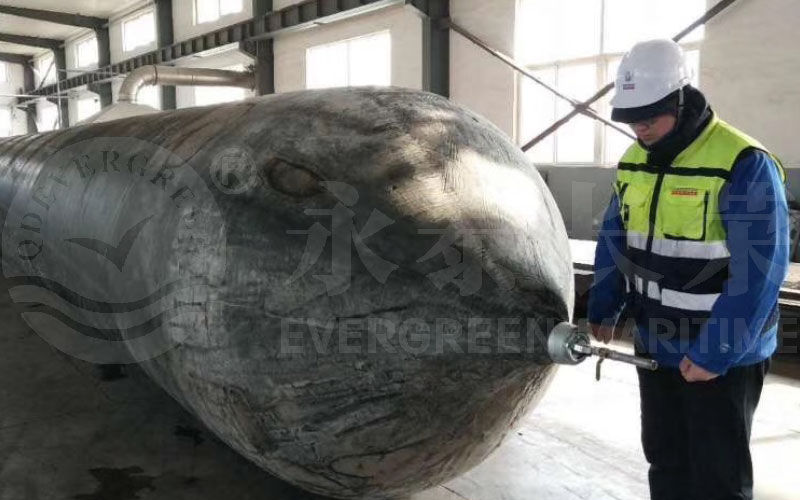
A finished fender should not simply leave the factory because it looks correct.
Depending on the project requirements, manufacturers may carry out dimensional inspection, pressure testing, material inspection, and other performance-related checks before shipment.
Testing requires equipment, manpower, time, and proper quality-control procedures.
Therefore, when comparing two quotations, it is useful to ask not only:
“How much is the fender?”
but also:
“What inspection and testing are included before delivery?”
6. Certificates and Documentation Have Their Own Cost
Some marine projects require specific certificates, inspection documents, or approval from recognized organizations.
The cost of certification can include testing, inspection, documentation, and related administrative work.
Of course, not every project requires the same certification.
The important point is to make sure that the quotation is being compared on the same basis.
If one supplier includes additional certification or inspection requirements while another does not, the two prices are naturally difficult to compare directly.
7. Accessories May Not Be Included in Every Quotation
Another common reason for price differences is the configuration.
One quotation may include the complete marine fender system with the required accessories, while another may quote only the main fender body.
Depending on the application, accessories and supporting components can represent a meaningful part of the total project cost.
Before comparing prices, buyers should therefore check the quotation carefully and confirm exactly what is included.
8. Warranty Is Also Part of the Offer
The purchase price is not necessarily the end of the cost comparison.
Warranty terms and after-sales support should also be considered.
Buyers should check the warranty period, what types of defects are covered, and what situations are excluded.
A clear warranty policy gives both the buyer and manufacturer a clear understanding of their responsibilities after delivery.
So, How Should Buyers Compare Marine Fender Quotations?
The key is to make sure that you are comparing the same configuration and the same requirements.
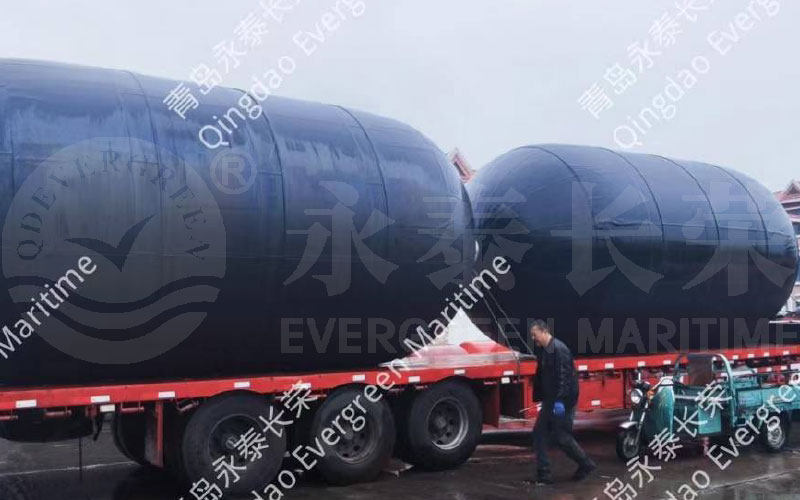
A lower quotation may reflect a different material, construction, testing scope, accessory configuration, or service arrangement. Likewise, a higher quotation does not automatically mean that every part of the product is better. The important thing is to understand what is actually included behind the number.
Look Beyond the Price
For professional marine equipment procurement, the most useful question is often not:
“Who has the lowest price?”
It is:
“What exactly am I getting for this price?”
For more than 20 years, Qingdao Evergreen Maritime has been manufacturing pneumatic rubber fenders, foam filled fenders, marine rubber airbags, and other marine protection equipment.
We believe a clear quotation should be supported by clear product specifications, quality inspection, and appropriate documentation.
When comparing marine fender suppliers, taking a little more time to check the details can make the difference between simply comparing prices and making a well-informed purchasing decision.