
Against the deep‑blue hull of the LNG bunkering vessel Gas Vitality and the endless expanse of open sea, three massive, bright‑white cylindrical structures stand out sharply. These are not ordinary buoys, but foam filled fenders, the critical safety barrier for high‑risk side‑by‑side ship‑to‑ship LNG bunkering operations.
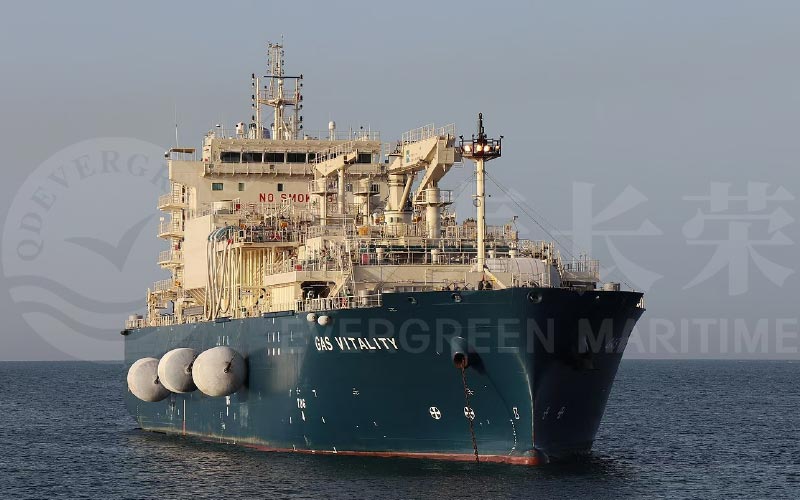
LNG bunkering is a high‑risk operation. When two large vessels come alongside each other at sea, waves and ocean currents will cause constant slight collision and extrusion between hulls. Direct metal‑to‑metal contact may scratch the hull coating, damage the steel structure, and even bring hidden dangers to the cryogenic LNG piping system. This is where foam filled fenders take on their core mission.
The bright white outer layer of foam filled fenders delivers outstanding visibility at sea. Under blazing sunlight, in foggy weather or dim twilight, deck crews can easily spot deformation, shifting position or surface damage on these fenders from afar, allowing early detection of risky contact between hulls.
What truly sets foam filled fenders apart lies in their internal construction. Instead of relying on pressurised air like conventional inflatable rubber fenders, foam filled fenders are packed with high‑density elastic foam core. Even if the tough white outer skin suffers punctures or tears, the fender still maintains reliable cushioning performance without rapid deflation. It absorbs massive impact energy through physical compression, softening heavy shocks caused by vessel rolling and swaying. This feature makes foam filled fenders highly dependable for rough‑sea ship‑to‑ship operations.
On board Gas Vitality, these white foam filled fenders are deployed for every bunkering task. When the LNG bunkering vessel manoeuvres alongside an LNG‑fuelled ship, foam filled fenders get squeezed between two heavy steel hulls. They continuously absorb impacts brought by wind and waves, preserving a safe operational gap for hazardous liquefied natural gas transfer.